
 加载中…
加载中…科技日报--可以杀死耐药细菌的抗生素(下)
 (2022-07-27 10:05:50)
标签:
科技日报耐药细菌抗生素 |
分类: 翻译 |
https://scitechdaily.com/images/Synthetic-Antibiotic-Cilagicin-777x517.jpg?ezimgfmt=rs:720x479/rscb1/ng:webp/ngcb1
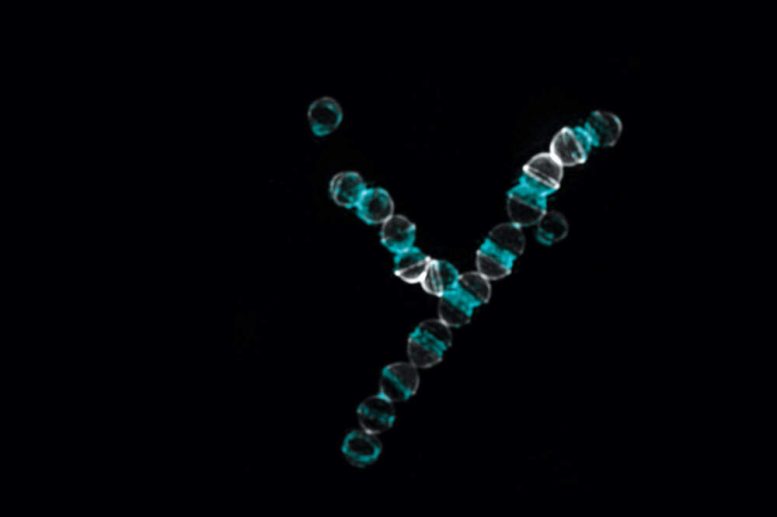
The synthetic
antibiotic cilagicin was particularly active against Gram-positive
bacteria such as Streptococcus pyogenes, depicted above. Credit:
Rockefeller University
如上所述,合成抗生素希拉霉素对革兰氏阳性菌(如化脓性链球菌)特别有效。 图片来源:洛克菲勒大学
But with the rise of antibiotic-resistant bacteria, there is an urgent need for new active compounds—and we may be running out of bacteria that are easy to exploit. Untold numbers of antibiotics, however, are likely hidden within the genomes of stubborn bacteria that are tricky or impossible to study in the lab. “Many antibiotics come from bacteria, but most bacteria can’t be grown in the lab,” Brady says. “It follows that we’re probably missing out on most antibiotics.”
但随着耐抗生素细菌的兴起,迫切需要新的活性化合物,而我们可能已经用完了易于利用的细菌。 然而,无数的抗生素可能隐藏在顽固细菌的基因组中,这些细菌很难或不可能在实验室中研究。 “许多抗生素来自细菌,但大多数细菌不能在实验室中培养,”布雷迪说。 “因此,我们可能错过了大多数抗生素。”
Finding antibacterial genes in soil and cultivating them inside more lab-friendly bacteria is an alternate strategy that has been championed by the Brady lab for the last fifteen years. But even this approach has certain drawbacks. The majority of antibiotics come from genetic sequences that are locked within bacterial gene clusters named “biosynthetic gene clusters,” which work together to collectively code for a number of proteins. But with present technology, such clusters are often inaccessible.
在土壤中寻找抗菌基因并在对实验室更友好的细菌中培养它们是过去 15 年来 Brady 实验室一直倡导的另一种策略, 即使这种方法也有一定的缺点。 大多数抗生素来自被锁定在称为“生物合成基因簇”的细菌基因簇中的基因序列,这些基因簇共同编码多种蛋白质。 但是使用目前的技术,这样的集群通常是不可获得的。
“Bacteria are complicated, and just because we can sequence a gene doesn’t mean we know how the bacteria would turn it on to produce proteins,” Brady says. “There are thousands and thousands of uncharacterized gene clusters, and we have only ever figured out how to activate a fraction of them.”
“细菌很复杂,仅仅因为我们可以对基因进行测序并不意味着我们知道细菌会如何打开它来产生蛋白质,”布雷迪说。 “有成千上万个未表征的基因簇,我们只知道如何激活其中的一小部分。”
A NEW POOL OF ANTIBIOTICS
Frustrated with their inability to unlock many bacterial gene clusters, Brady and colleagues turned to algorithms. By teasing apart the genetic instructions within a DNA sequence, modern algorithms can predict the structure of the antibiotic-like compounds that a bacterium with these sequences would produce. Organic chemists can then take that data and synthesize the predicted structure in the lab.
新抗生素库
由于无法解锁许多细菌基因簇,Brady 及其同事感到沮丧,于是求助于算法。 通过梳理 DNA 序列中的遗传指令,现代算法可以预测具有这些序列的细菌会产生的类抗生素化合物的结构。 然后有机化学家可以获取这些数据并在实验室中合成预测的结构。
It may not always be a perfect prediction. “The molecule that we end up with is presumably, but not necessarily, what those genes would produce in nature,” Brady says. “We aren’t concerned if it is not exactly right—we only need the synthetic molecule to be close enough that it acts similarly to the compound that evolved in nature.”
它可能并不总是一个完美的预测。 “我们最终得到的分子可能是,但不一定是这些基因在自然界中产生的,”布雷迪说。 “我们并不担心它是否完全正确,我们只需要合成的分子足够接近,使其作用类似于自然界中进化的化合物。”
Postdoctoral associates Zonggiang Wang and Bimal Koirala from the Brady lab began by searching through an enormous genetic-sequence database for promising bacterial genes that were predicted to be involved in killing other bacteria and hadn’t been examined previously. The “cil” gene cluster, which had not yet been explored in this context, stood out for its proximity to other genes involved in making antibiotics.
来自 Brady 实验室的博士后研究员 Zonggiang Wang 和 Bimal Koirala 首先在一个巨大的基因序列数据库中搜索有希望的细菌基因,这些基因预计会参与杀死其他细菌并且以前没有被检查过。 尚未在此背景下探索的“cil”基因簇因其与制造抗生素相关的其他基因接近而脱颖而出。
The researchers duly fed its relevant sequences into an algorithm, which proposed a handful of compounds that cil likely produces. One compound, aptly dubbed cilagicin, turned out to be an active antibiotic.
研究人员及时将其相关序列输入算法,该算法提出了少数cil可能产生的化合物。 一种被恰当地称为希拉霉素的化合物被证明是一种活性抗生素。
Cilagicin reliably killed Gram-positive bacteria in the lab, did not harm human cells, and (once chemically optimized for use in animals) successfully treated bacterial infections in mice. Of particular interest, cilagicin was potent against several drug-resistant bacteria and, even when pitted against bacteria grown specifically to resist cilagicin, the synthetic compound prevailed.
希拉霉素(Cilagicin )在实验室中确实杀死了革兰氏阳性细菌,且不会伤害人体细胞,并且(一旦化学优化用于动物)成功地治疗了小鼠的细菌感染。 特别令人感兴趣的是,希拉霉素(cilagicin )对几种耐药细菌有效,即使与专门生长以抵抗 cilagicin 的细菌相比,合成化合物仍占优势。
Brady, Wang, Koirala, and colleagues determined that cilagicin works by binding two molecules, C55-P and C55-PP, both of which help maintain bacterial cell walls. Existing antibiotics such as bacitracin bind one of those two molecules but never both, and bacteria can often resist such drugs by cobbling together a cell wall with the remaining molecule. The team suspects that cilagicin’s ability to take both molecules offline may present an insurmountable barrier that prevents resistance.
Brady、Wang、Koirala 及其同事确定,希拉霉素cilagicin 通过结合两种分子 C55-P 和 C55-PP 起作用,这两种分子都有助于维持细菌细胞壁。 现有的抗生素(如杆菌肽)会结合这两种分子中的一种,但不会同时结合两种分子,而细菌通常可以通过将细胞壁与剩余的分子拼凑在一起来抵抗这些药物。 研究小组怀疑,cilagicin 使这两种分子脱机的能力可能会形成一个无法克服的障碍,阻止耐药性。
Cilagicin is still far from human trials. In follow-up studies, the Brady lab will perform further syntheses to optimize the compound and test it in animal models against more diverse pathogens to determine which diseases it may be most effective in treating.
希拉霉素Cilagicin 离人体试验还很远。 在后续研究中,布雷迪实验室将进行进一步的合成以优化该化合物,并在动物模型中针对更多不同的病原体进行测试,以确定它可能最有效地治疗哪些疾病。
Beyond the clinical implications of cilagicin, however, the study demonstrates a scalable method that researchers could use to discover and develop new antibiotics. “This work is a prime example of what could be found hidden within a gene cluster,” Brady says. “We think that we can now unlock large numbers of novel natural compounds with this strategy, which we hope will provide an exciting new pool of drug candidates.”
然而,除了希拉霉素 cilagicin 的临床意义之外,该研究还展示了一种可扩展的方法,研究人员可以使用它来发现和开发新的抗生素。 “这项工作是可以发现隐藏在基因簇中的一个典型例子,”布雷迪说。 “我们认为我们现在可以通过这种策略解锁大量新型天然化合物,我们希望这将提供一个令人兴奋新的候选药物库。”
如上所述,合成抗生素希拉霉素对革兰氏阳性菌(如化脓性链球菌)特别有效。 图片来源:洛克菲勒大学
But with the rise of antibiotic-resistant bacteria, there is an urgent need for new active compounds—and we may be running out of bacteria that are easy to exploit. Untold numbers of antibiotics, however, are likely hidden within the genomes of stubborn bacteria that are tricky or impossible to study in the lab. “Many antibiotics come from bacteria, but most bacteria can’t be grown in the lab,” Brady says. “It follows that we’re probably missing out on most antibiotics.”
但随着耐抗生素细菌的兴起,迫切需要新的活性化合物,而我们可能已经用完了易于利用的细菌。 然而,无数的抗生素可能隐藏在顽固细菌的基因组中,这些细菌很难或不可能在实验室中研究。 “许多抗生素来自细菌,但大多数细菌不能在实验室中培养,”布雷迪说。 “因此,我们可能错过了大多数抗生素。”
Finding antibacterial genes in soil and cultivating them inside more lab-friendly bacteria is an alternate strategy that has been championed by the Brady lab for the last fifteen years. But even this approach has certain drawbacks. The majority of antibiotics come from genetic sequences that are locked within bacterial gene clusters named “biosynthetic gene clusters,” which work together to collectively code for a number of proteins. But with present technology, such clusters are often inaccessible.
在土壤中寻找抗菌基因并在对实验室更友好的细菌中培养它们是过去 15 年来 Brady 实验室一直倡导的另一种策略, 即使这种方法也有一定的缺点。 大多数抗生素来自被锁定在称为“生物合成基因簇”的细菌基因簇中的基因序列,这些基因簇共同编码多种蛋白质。 但是使用目前的技术,这样的集群通常是不可获得的。
“Bacteria are complicated, and just because we can sequence a gene doesn’t mean we know how the bacteria would turn it on to produce proteins,” Brady says. “There are thousands and thousands of uncharacterized gene clusters, and we have only ever figured out how to activate a fraction of them.”
“细菌很复杂,仅仅因为我们可以对基因进行测序并不意味着我们知道细菌会如何打开它来产生蛋白质,”布雷迪说。 “有成千上万个未表征的基因簇,我们只知道如何激活其中的一小部分。”
A NEW POOL OF ANTIBIOTICS
Frustrated with their inability to unlock many bacterial gene clusters, Brady and colleagues turned to algorithms. By teasing apart the genetic instructions within a DNA sequence, modern algorithms can predict the structure of the antibiotic-like compounds that a bacterium with these sequences would produce. Organic chemists can then take that data and synthesize the predicted structure in the lab.
新抗生素库
由于无法解锁许多细菌基因簇,Brady 及其同事感到沮丧,于是求助于算法。 通过梳理 DNA 序列中的遗传指令,现代算法可以预测具有这些序列的细菌会产生的类抗生素化合物的结构。 然后有机化学家可以获取这些数据并在实验室中合成预测的结构。
It may not always be a perfect prediction. “The molecule that we end up with is presumably, but not necessarily, what those genes would produce in nature,” Brady says. “We aren’t concerned if it is not exactly right—we only need the synthetic molecule to be close enough that it acts similarly to the compound that evolved in nature.”
它可能并不总是一个完美的预测。 “我们最终得到的分子可能是,但不一定是这些基因在自然界中产生的,”布雷迪说。 “我们并不担心它是否完全正确,我们只需要合成的分子足够接近,使其作用类似于自然界中进化的化合物。”
Postdoctoral associates Zonggiang Wang and Bimal Koirala from the Brady lab began by searching through an enormous genetic-sequence database for promising bacterial genes that were predicted to be involved in killing other bacteria and hadn’t been examined previously. The “cil” gene cluster, which had not yet been explored in this context, stood out for its proximity to other genes involved in making antibiotics.
来自 Brady 实验室的博士后研究员 Zonggiang Wang 和 Bimal Koirala 首先在一个巨大的基因序列数据库中搜索有希望的细菌基因,这些基因预计会参与杀死其他细菌并且以前没有被检查过。 尚未在此背景下探索的“cil”基因簇因其与制造抗生素相关的其他基因接近而脱颖而出。
The researchers duly fed its relevant sequences into an algorithm, which proposed a handful of compounds that cil likely produces. One compound, aptly dubbed cilagicin, turned out to be an active antibiotic.
研究人员及时将其相关序列输入算法,该算法提出了少数cil可能产生的化合物。 一种被恰当地称为希拉霉素的化合物被证明是一种活性抗生素。
Cilagicin reliably killed Gram-positive bacteria in the lab, did not harm human cells, and (once chemically optimized for use in animals) successfully treated bacterial infections in mice. Of particular interest, cilagicin was potent against several drug-resistant bacteria and, even when pitted against bacteria grown specifically to resist cilagicin, the synthetic compound prevailed.
希拉霉素(Cilagicin )在实验室中确实杀死了革兰氏阳性细菌,且不会伤害人体细胞,并且(一旦化学优化用于动物)成功地治疗了小鼠的细菌感染。 特别令人感兴趣的是,希拉霉素(cilagicin )对几种耐药细菌有效,即使与专门生长以抵抗 cilagicin 的细菌相比,合成化合物仍占优势。
Brady, Wang, Koirala, and colleagues determined that cilagicin works by binding two molecules, C55-P and C55-PP, both of which help maintain bacterial cell walls. Existing antibiotics such as bacitracin bind one of those two molecules but never both, and bacteria can often resist such drugs by cobbling together a cell wall with the remaining molecule. The team suspects that cilagicin’s ability to take both molecules offline may present an insurmountable barrier that prevents resistance.
Brady、Wang、Koirala 及其同事确定,希拉霉素cilagicin 通过结合两种分子 C55-P 和 C55-PP 起作用,这两种分子都有助于维持细菌细胞壁。 现有的抗生素(如杆菌肽)会结合这两种分子中的一种,但不会同时结合两种分子,而细菌通常可以通过将细胞壁与剩余的分子拼凑在一起来抵抗这些药物。 研究小组怀疑,cilagicin 使这两种分子脱机的能力可能会形成一个无法克服的障碍,阻止耐药性。
Cilagicin is still far from human trials. In follow-up studies, the Brady lab will perform further syntheses to optimize the compound and test it in animal models against more diverse pathogens to determine which diseases it may be most effective in treating.
希拉霉素Cilagicin 离人体试验还很远。 在后续研究中,布雷迪实验室将进行进一步的合成以优化该化合物,并在动物模型中针对更多不同的病原体进行测试,以确定它可能最有效地治疗哪些疾病。
Beyond the clinical implications of cilagicin, however, the study demonstrates a scalable method that researchers could use to discover and develop new antibiotics. “This work is a prime example of what could be found hidden within a gene cluster,” Brady says. “We think that we can now unlock large numbers of novel natural compounds with this strategy, which we hope will provide an exciting new pool of drug candidates.”
然而,除了希拉霉素 cilagicin 的临床意义之外,该研究还展示了一种可扩展的方法,研究人员可以使用它来发现和开发新的抗生素。 “这项工作是可以发现隐藏在基因簇中的一个典型例子,”布雷迪说。 “我们认为我们现在可以通过这种策略解锁大量新型天然化合物,我们希望这将提供一个令人兴奋新的候选药物库。”
喜欢
0
赠金笔
后一篇:英语金句