
 加载中…
加载中…天下风物——《立秋.结束语》风光题照
 (2023-08-29 09:23:02)
 立秋
Autumn begins
古风
Ancient customs
结语
每年立秋的时间,基本都是固定的。
差不多是在当年,八月七号八号间。
早与晚,不是说,前一天或后一天。
而是交节的时间,是在夜晚或当天。
The time of Beginning of Autumn every year is basically fixed.
About the same year, between the 7th and 8th of August.
Early and late, not the day before or the day after.
It's the time of the festival, in the evening or on the day.

这是因为中国的,节气交节的时间。
已经能够精准到,某天某点到某分。
故所以,每一年,立秋降临的时辰。
一天二十四小时,任何一点都可能。
This is because of the timing of the Chinese solar festival.
Has been able to pinpoint a point to a point on a given day.
So, every year, the beginning of autumn.
24 hours a day. It could be anything.
立秋交节的时间,十九点至二十四。
中国习惯叫晚立,其余时间算早立。
古农谚,皆认为,交节时间太玄奇。
秋早天气转凉快,反之天气热延迟。
The beginning of autumn festival time, nineteen to twenty-four.
In China, it is customary to call it late standing, and the rest of the time is early standing.
Ancient peasant proverb, all believe that the time is too mysterious.
In the early autumn, the weather becomes cooler, whereas the weather becomes hotter later.
因为二十四节气,成形是在秦汉期。
立秋早在战国时,就当节日来祭祀。
参考的,仅只是,黄河流域的气候。
故而二十四节气,各个地方有差异。
Because of the 24 solar terms, it was formed in the Qin and Han Dynasties.
As early as the Warring States period, it was a festival to offer sacrifices.
The reference is only to the climate of the Yellow River basin.
Therefore, the 24 solar terms vary from place to place.
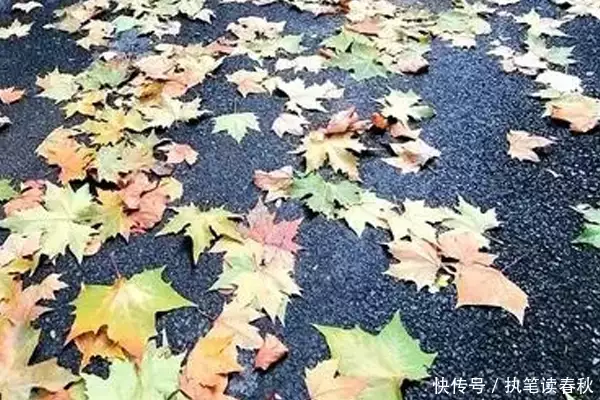
二千多年气候变,主导作用尚依然。
我们再次提起它,堪叹古人不简单。
更多的,还出于,对于节气的追忆。
一种传统文化的,纪念回顾与发掘。
Two thousand years of climate change, the leading role is still.
When we mention it again, we can sigh that the ancients are not simple.
More, but also for the solar term of remembrance.
A kind of traditional culture, memorial review and excavation.
比起立秋这事情,不事农耕现代人。
更感兴趣可能是,这个节日前节日。
或者是,后相伴,七月初七乞巧节。
中国古典情人节,牛郎织女会此时。
Compared with the beginning of autumn, it is not a matter of farming modern people.
Of more interest may be this pre-holiday holiday.
Or, after accompanying, the seventh day of July.
In classical Chinese Valentine's Day, the Cowherd and the Weaver girl meet at this time.
结语
每年立秋的时间,基本都是固定的。
差不多是在当年,八月七号八号间。
早与晚,不是说,前一天或后一天。
而是交节的时间,是在夜晚或当天。
The time of Beginning of Autumn every year is basically fixed.
About the same year, between the 7th and 8th of August.
Early and late, not the day before or the day after.
It's the time of the festival, in the evening or on the day.
这是因为中国的,节气交节的时间。
已经能够精准到,某天某点到某分。
故所以,每一年,立秋降临的时辰。
一天二十四小时,任何一点都可能。
This is because of the timing of the Chinese solar festival.
Has been able to pinpoint a point to a point on a given day.
So, every year, the beginning of autumn.
24 hours a day. It could be anything.
立秋交节的时间,十九点至二十四。
中国习惯叫晚立,其余时间算早立。
古农谚,皆认为,交节时间太玄奇。
秋早天气转凉快,反之天气热延迟。
The beginning of autumn festival time, nineteen to twenty-four.
In China, it is customary to call it late standing, and the rest of the time is early standing.
Ancient peasant proverb, all believe that the time is too mysterious.
In the early autumn, the weather becomes cooler, whereas the weather becomes hotter later.
因为二十四节气,成形是在秦汉期。
立秋早在战国时,就当节日来祭祀。
参考的,仅只是,黄河流域的气候。
故而二十四节气,各个地方有差异。
Because of the 24 solar terms, it was formed in the Qin and Han Dynasties.
As early as the Warring States period, it was a festival to offer sacrifices.
The reference is only to the climate of the Yellow River basin.
Therefore, the 24 solar terms vary from place to place.
二千多年气候变,主导作用尚依然。
我们再次提起它,堪叹古人不简单。
更多的,还出于,对于节气的追忆。
一种传统文化的,纪念回顾与发掘。
Two thousand years of climate change, the leading role is still.
When we mention it again, we can sigh that the ancients are not simple.
More, but also for the solar term of remembrance.
A kind of traditional culture, memorial review and excavation.
比起立秋这事情,不事农耕现代人。
更感兴趣可能是,这个节日前节日。
或者是,后相伴,七月初七乞巧节。
中国古典情人节,牛郎织女会此时。
Compared with the beginning of autumn, it is not a matter of farming modern people.
Of more interest may be this pre-holiday holiday.
Or, after accompanying, the seventh day of July.
In classical Chinese Valentine's Day, the Cowherd and the Weaver girl meet at this time.


Interest certification
Write and read Spring and Autumn
喜欢
0
赠金笔