
 加载中…
加载中…研究表明电动汽车减少了旧金山湾区的二氧化碳排放
 (2024-04-06 18:20:13)
标签:
生态电动汽车美国报告研究 |
分类: 车展的映像 |
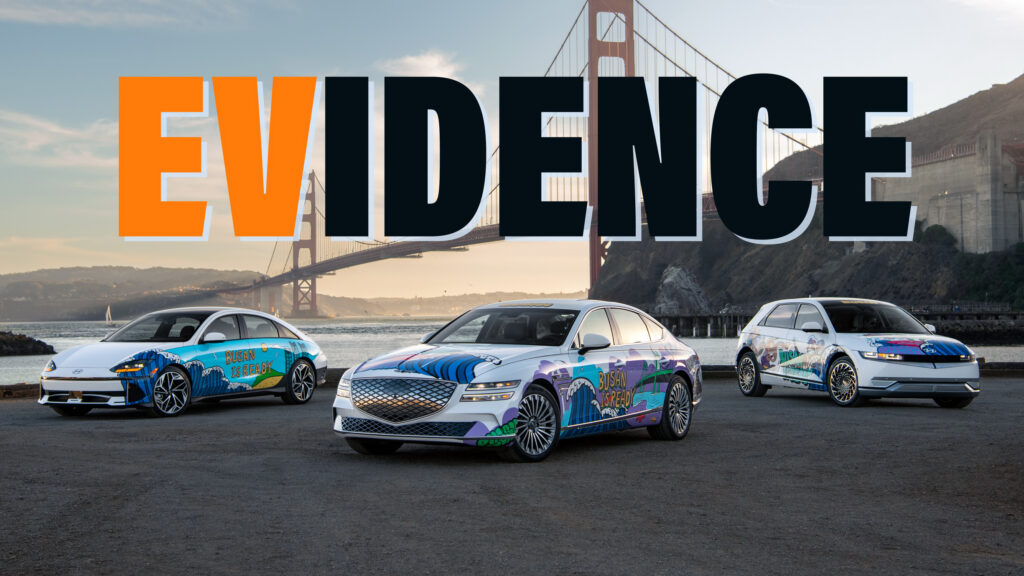
- 旧金山湾区是美国电动汽车采用率最高的地区之一,2018 年至 2022 年间,乘用车的排放量下降了 2.6%。
- 这有助于推动同期二氧化碳排放量下降1.8%,研究人员表示,电动汽车与此有很大关系。
- 排放量仍然需要下降,但这证明电动汽车政策对气候变化产生了切实的影响。
谈论气候变化的困难之一是它是一个巨大的遗憾。但有时你会得到一点好消息,今天就是其中之一。一项新发表的研究表明,电动汽车的采用已经对旧金山湾区的空气质量产生了积极影响。
尽管人们承诺电动汽车将在未来减少排放并帮助地球,但它们的采用还处于早期阶段,因此没有太多真正的证据证明它们的表现。现在,发表在《环境科学与技术》杂志上的研究表明,2018年至2022年期间,二氧化碳排放量每年稳步下降1.8%。
相关阅读:美国公布有史以来最严格的汽车排放标准,以推动电动汽车的发展
更具体地说,在这段时间里,汽车排放量每年下降了2.6%,弄清楚如何区分二氧化碳排放量是加州大学伯克利分校团队在2024年之前发表这些结果的原因之一。
奇怪的是,大流行实际上帮助团队弄清楚了如何区分乘用车、商用卡车和工业的污染。在疫情最严重的时候实施的就地避难令帮助该团队梳理出不同类型污染者的微妙之处。
结果是积极的。伯克利大学化学教授罗纳德·科恩(Ronald Cohen)早在2012年就开始设置这项研究中使用的二氧化碳传感器,他告诉《快公司》,这些发现直接表明我们已经做出了积极的变化。https://www.carscoops.com/wp-content/uploads/2024/04/2024-Electrify-America-1024x576.jpg
“我对这个项目的幻想是,我们将成为需要说的道义支持,'我的政策正在发挥作用',”科恩说。他还希望“我们能讲出这样的感觉良好的故事,因为在试图减少排放方面发生了如此多的行动,但很少有观察表明我们实际上是这样做的。
但在我们过于兴奋之前,研究表明我们需要更多的行动。湾区是美国电动汽车采用率最高的地区之一,即使在那里,也需要做更多的工作来减少二氧化碳排放。
科恩说,为了顺利实现加州到2045年实现净零排放的目标,排放量需要每年下降3.7%,因此1.8%并不能完全减少排放。但这是对电动汽车的认可,再加上住房和工业排放的改善,可以帮助该州实现其目标。
“没有人认为我们会顺利实现[净零]。他们认为我们会慢慢开始,而且必须加速,“科恩说。“因此,我感到振奋的是,在开始的时候,我们平均只满足了我们需求的一半。https://www.carscoops.com/wp-content/uploads/2024/04/2018-Jaguar-I-Pace-1024x683.jpg
原文阅读
Study Shows EVs Reduced CO2 In San Francisco Bay Area
CO2 emissions in San Francisco fell 1.8 percent between 2018 and 2022, and new evidence shows that EVs played a part in that
12 hours ago
- The San Francisco Bay Area has one of America’s highest EV adoption rates, and emissions from passenger vehicles there fell 2.6 percent between 2018 and 2022.
- That helped drive CO2 emissions down 1.8 percent over the same period, and researchers say EVs had a lot to do with that.
- Emissions still need to come down, but this is evidence that EV policies have a tangible impact on climate change.
One of the difficulties of talking about climate change is that it’s a huge bummer. But sometimes you get a little bit of good news, and today is one of those days. A newly published study shows that electric vehicle adoption has already had a positive impact on air quality in the San Francisco Bay Area.
Despite all the promises that EVs will emit less and help the planet in the future, their adoption is at such an early stage that there hasn’t been a lot of real evidence how they perform. Now, research published in the journal Environmental Sciences & Technology shows that CO2 emissions declined steadily by 1.8 percent per year between 2018 and 2022.
Read: US Unveils Most Stringent Car Emission Standards Ever To Boost EVs
More specifically, vehicle emissions have fallen by 2.6 percent per year in that timeframe, and figuring out how to tell those apart from the CO2 emissions was part of what took the UC Berkeley team behind this research until 2024 to publish these results.
Oddly, the pandemic actually helped the team figure out how to tell the difference between pollution from passenger vehicles, commercial trucks, and industry. The shelter in place order imposed during the height of the pandemic helped the team tease out the subtleties of different kinds of polluters.
And the results are positive. Ronald Cohen, a chemistry professor at Berkeley who started setting up the CO2 sensors used in this research all the way back in 2012, told Fast Company that these findings are a direct indication that we’ve made a positive change.
“My fantasy about this project is that we would be the moral support that leaders need to say, ‘My policy is working,’” Cohen said. He also hopes “that we can tell feel-good stories like this, because there is so much action happening in trying to reduce emissions, but so little observations showing that we actually are.”
But before we get too excited, the research suggests that we will need more action. The Bay Area has one of the highest adoption rates for EVs in America and, even there, more needs to be done to reduce CO2 emissions.
To achieve California’s goal of net-zero emissions by 2045 smoothly, Cohen says that emissions need to drop by 3.7 percent per year, so 1.8 percent won’t quite cut it. But it is an endorsement of EVs, which in combination with improvements to housing and industry emissions could help the state reach its target.
“Nobody thought we would get [to net-zero] smoothly. They thought we would start slow, and it would have to accelerate,” Cohen said. “So I take heart that at the beginning of that, we’re at half of what we need, on average.”
喜欢
0
赠金笔